Washing and cleaning of sand, gravel, and rubble
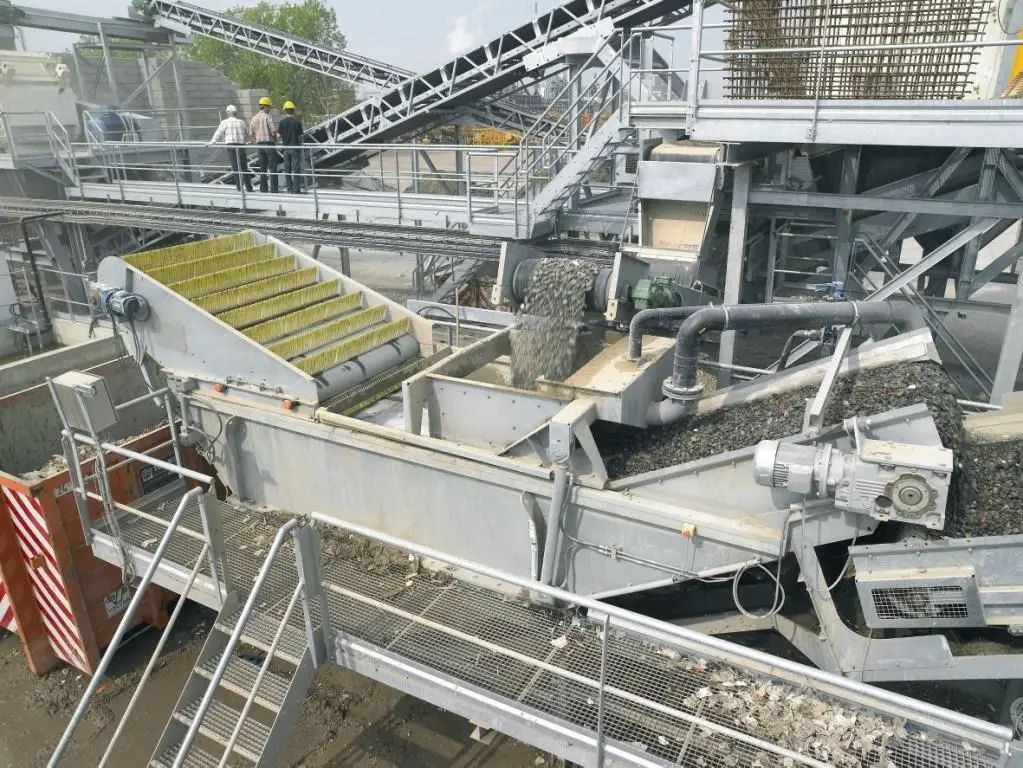
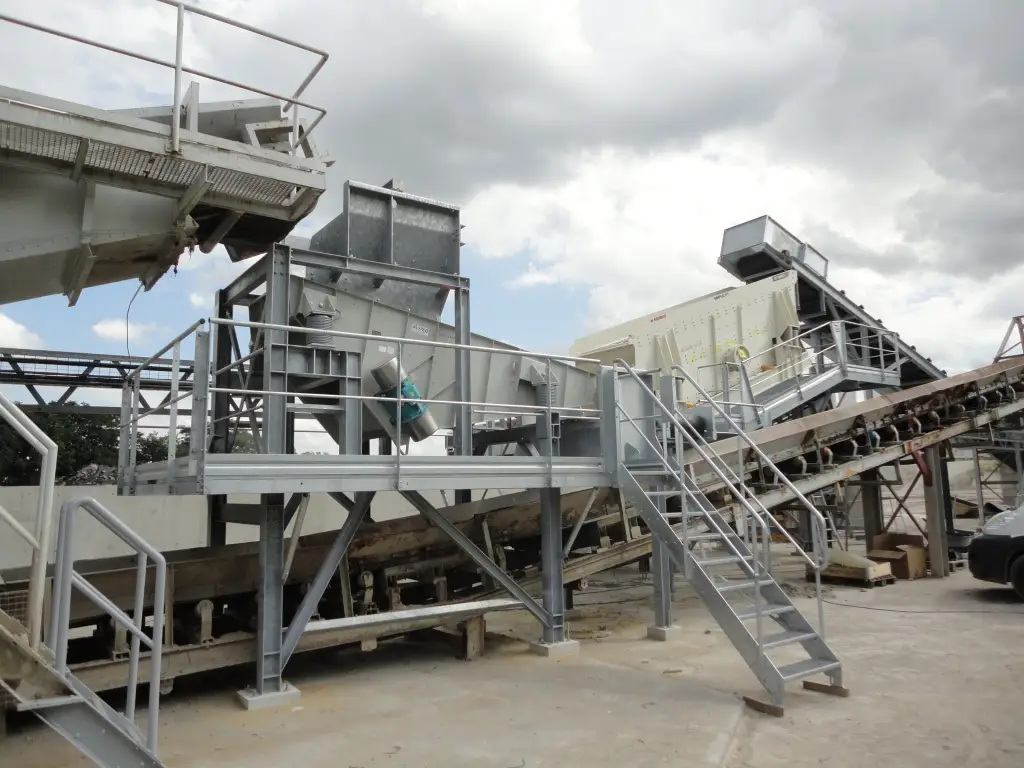
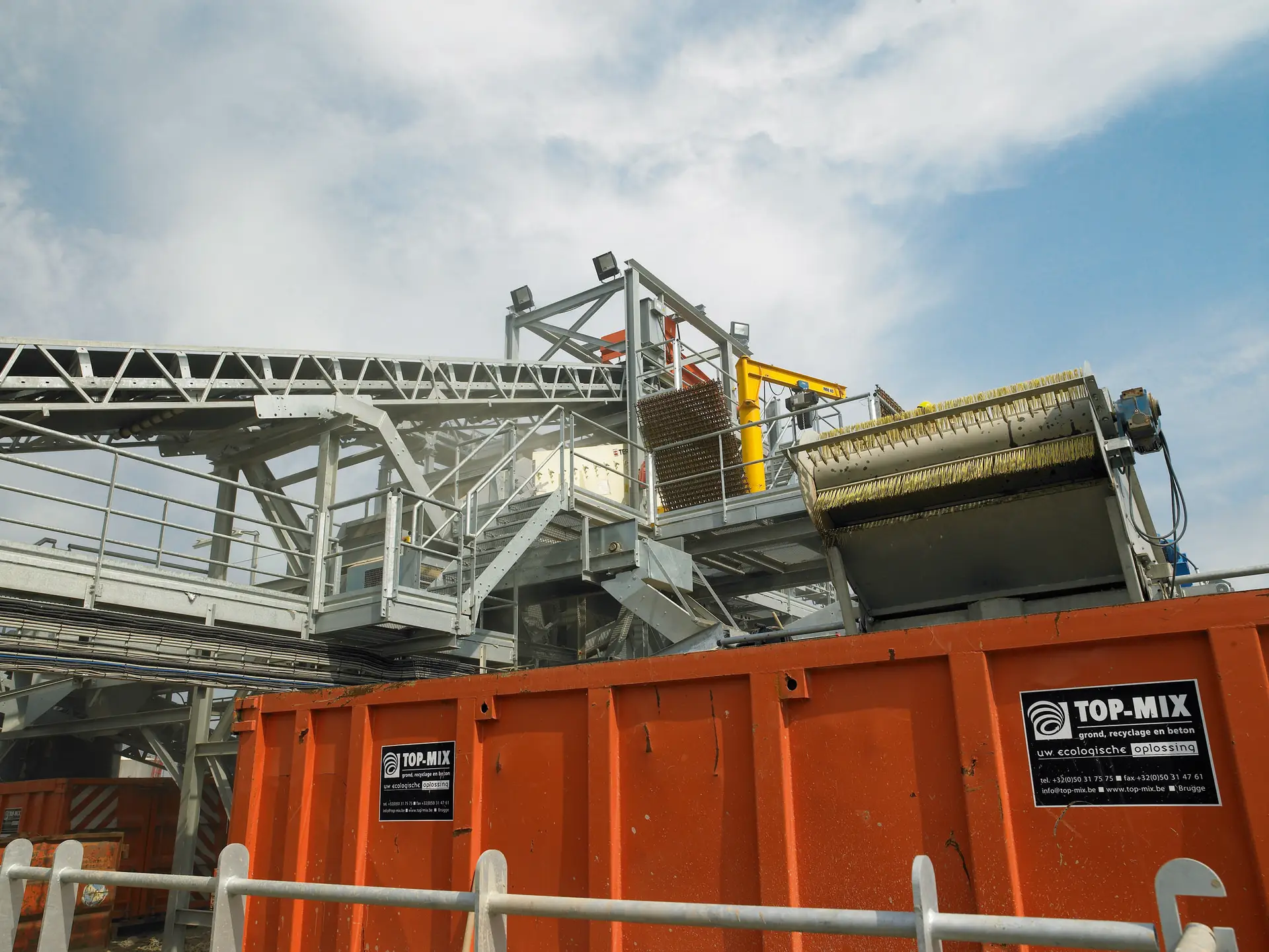
Deprez integrates industrial installations for cleaning and washing sand, gravel, and rubble. From magnetic separators and optical sorting technologies to washing installations with integrated water treatment: we combine the right technologies into a single efficient, automated process. Every installation is tailored to the specific characteristics of the material flows, the required degree of purity, and the necessary processing capacity.
Deprez integrates industrial installations for cleaning and washing sand, gravel, and rubble. From magnetic separators and optical sorting technologies to washing installations with integrated water treatment: we combine the right technologies into a single efficient, automated process. Every installation is tailored to the specific characteristics of the material flows, the required degree of purity, and the necessary processing capacity.
more value from bulk materials
Washing and cleaning sand, gravel, and rubble plays an essential role in processing mineral raw materials and recovering construction and demolition waste. By removing unwanted components and selectively sorting materials, you improve the quality of recovered secondary raw materials and make them suitable for further processing or reuse.
Deprez integrates industrial installations for cleaning, washing, and separating bulk and recyclable materials. For floating debris removal, Deprez offers a high-capacity, high-performance solution.
Each technology serves a specific function. Magnetic separators extract ferrous metals from the material stream, while eddy current separators recover non-ferrous metals such as aluminum. Optical sorters identify and separate materials based on specific optical characteristics. Finally, water treatment systems manage wash water and solid particle separation.
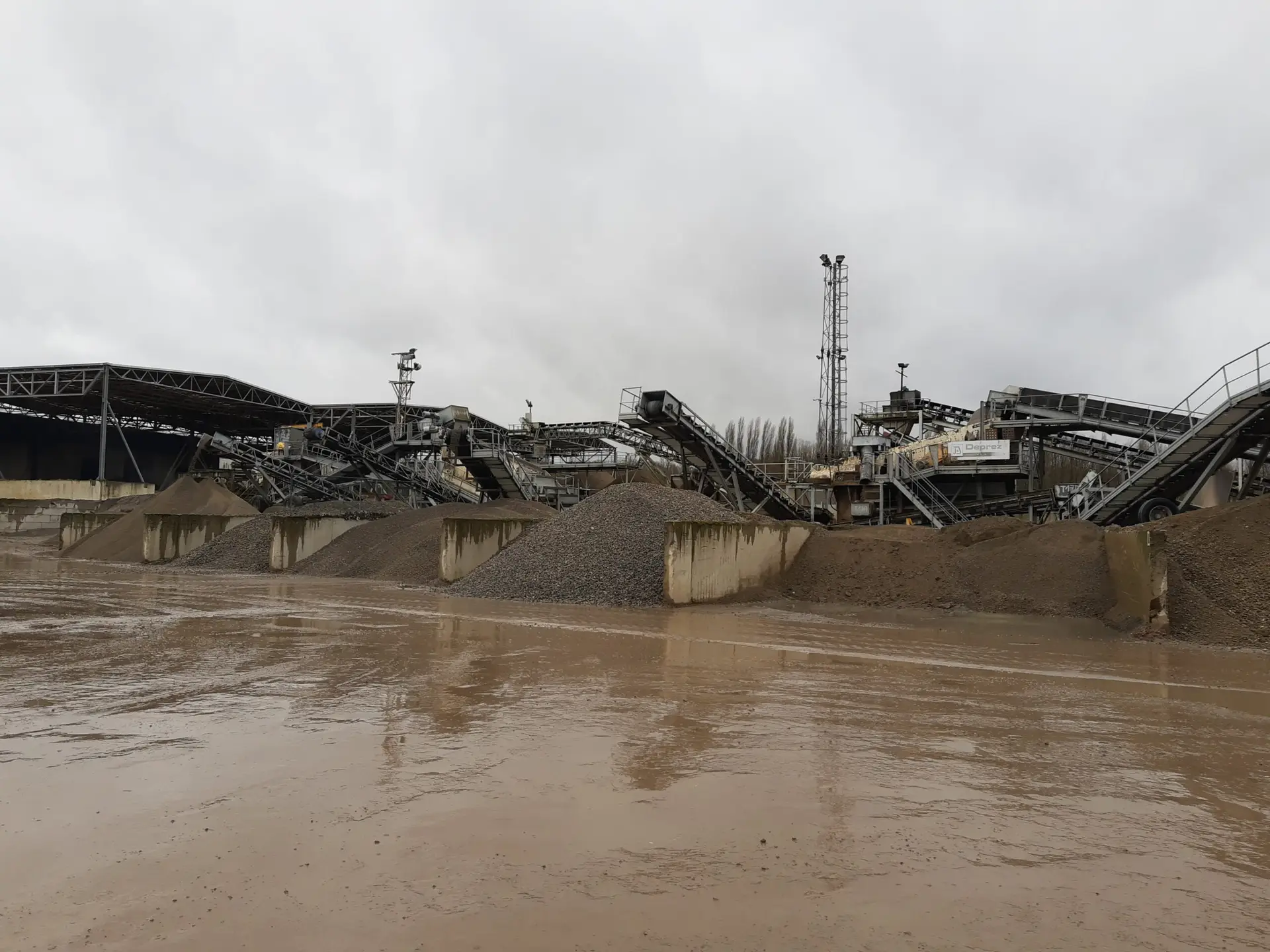
Washing and cleaning in practice
Questions about washing and cleaning
Why are sand, gravel, and rubble washed and cleaned?
Washing and cleaning sand, gravel, and rubble helps remove unwanted components, contaminants, and fines from the material stream. Depending on the material and process, this enhances the quality and reusability of recovered raw materials. The optimal combination of washing, screening, and sorting technologies is engineered according to the required end-product specification.
Which technologies are used to clean and sort recyclable materials?
Depending on the material stream, various technologies can be combined. Magnetic separators remove ferrous metals, eddy current separators recover non-ferrous metals, and optical sorters separate materials based on optical properties. Shredders reduce larger material streams, while washing installations and water treatment systems clean materials and process the wash water.
How does water treatment work in an industrial washing installation?
During washing, fine particles and other contaminants enter the process water. A water treatment system separates these solids and prepares the water for reuse or further treatment. The required technology depends on incoming water quality, contaminant composition, and washing process specifications. A properly engineered system helps control fresh water consumption and minimizes waste discharge volumes.
Can Deprez combine multiple cleaning and sorting technologies into a single installation?
Yes. Depending on the project scope, multiple technologies can be integrated into a single cohesive installation, including size reduction, screening, washing, metal recovery, water treatment, and internal conveyance. Deprez aligns each individual process step to ensure efficient material handling and targeted discharge of recovered fractions.
Tell us where you want to go
Deprez has been a family business from Kortemark (Belgium) since 1984. Your project is followed up by the same team from the first conversation to start-up.